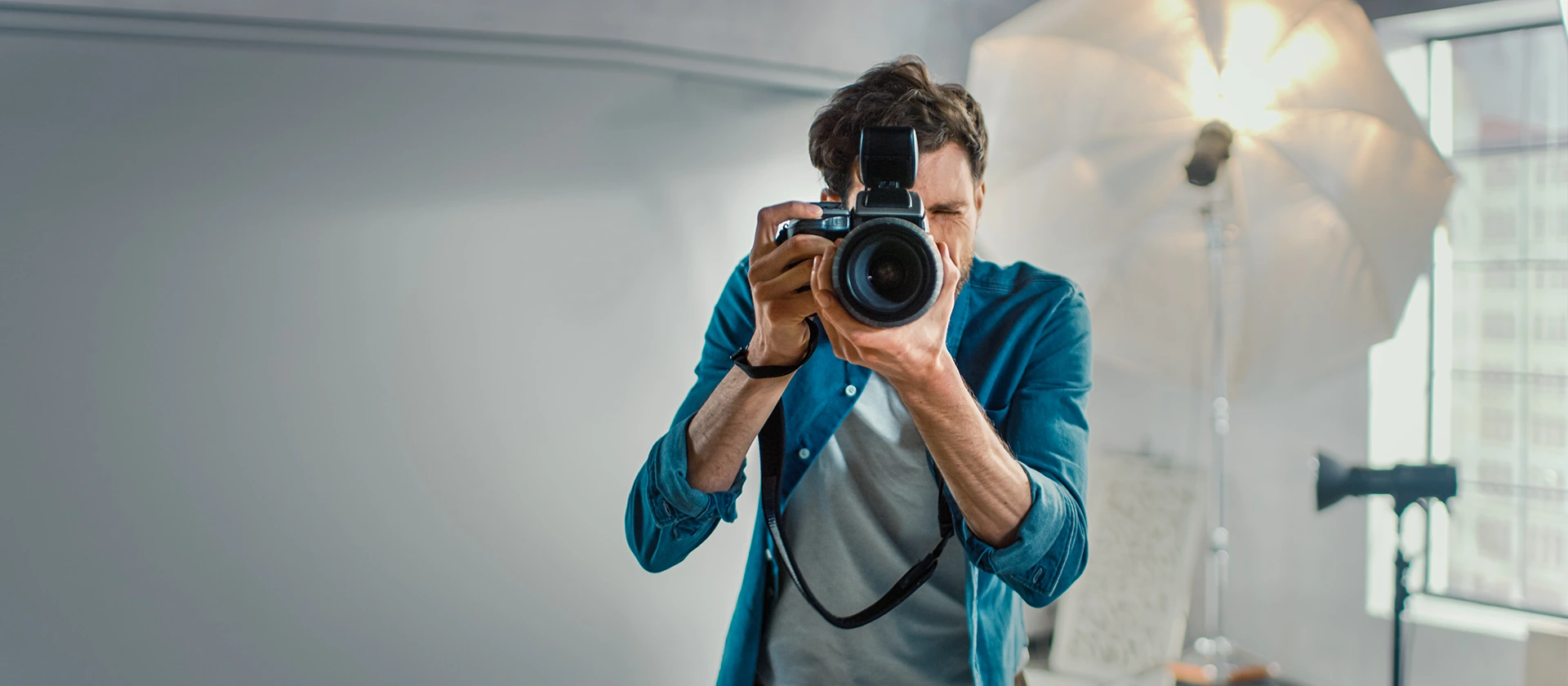
Fine Art Photography professional techniques
Fine art photography blends vision, emotion, and technical mastery to shape limited editions that resonate. Each exposure transforms light, texture, and composition into a visual statement, inviting collectors to experience imagery as both curated expression and investment-grade creation.
Capturing curated visual narratives
Curated exhibitions showcase contemporary prints that explore tonality, texture, and composition, highlighting the artistic vision needed to convey ephemeral moments and evoke aesthetic resonance in acquisitions.
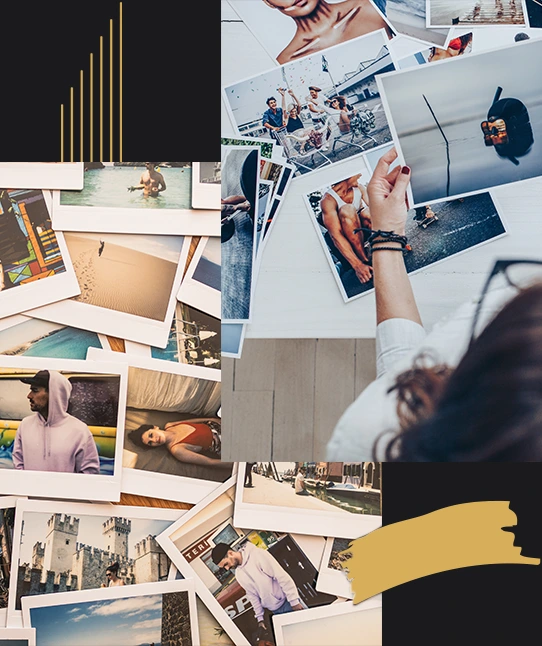
Collector market insights
The connoisseur’s guide to acquiring fine art

Print valuation standards
Assessing market value involves examining the print date, edition rarity, and artist standing. Museum-quality papers maintain integrity, preserving tonal depth and texture. Collectors prioritize provenance documentation, authenticity, and signature, seeking large-format pieces revealing detail. The secondary market favors works evoking visual impact adhering to archival standards.
Limited edition availability
Museum-grade material quality
Artist signature authentication
Provenance certificate verification
Photographic artistic movements
Exploring key visual currents

Impressionism influences
Soft focus and vibrant exposures capture fleeting moments, emphasizing atmospheric haze and pictorialism over sharp realism.

Cubism perspectives
Fragmented visuals and geometric framing deconstruct subjects, offering multiple viewpoints within a single photomontage.

Surrealism imagery
Double exposures blend reality and imagination, creating abstract scenes that challenge conventional optics and logic.

Technical printing standards
Achieving exhibition standards demands understanding optical physics and lighting ratios. Every specular highlight on a texture contributes to the volumetric depth. Fine art photographers utilize modifiers to control dynamic range, ensuring output matches the curatorial theme. This control separates snapshots from masterpieces suitable for acquisition.
Essential studio workflows
Mastering the illumination

01
Strobe lighting control
Softboxes and reflectors modify studio strobes to mimic ambient illumination.


03
Glass selection
Prime lenses with long focal lengths compress perspective and provide depth of field.

Professional sensors and studio architecture for high fidelity
The shooting space dictates output quality, requiring rigid tripods and tethering for pixel-level analysis. Medium-format sensors capture dynamic range, preserving detail in high-key highlights and deep shadows. Color management tools ensure the printed pigment matches the artist’s intent. Without this hardware, the image lacks resolution for gallery mounting.
Advanced retouching and styling
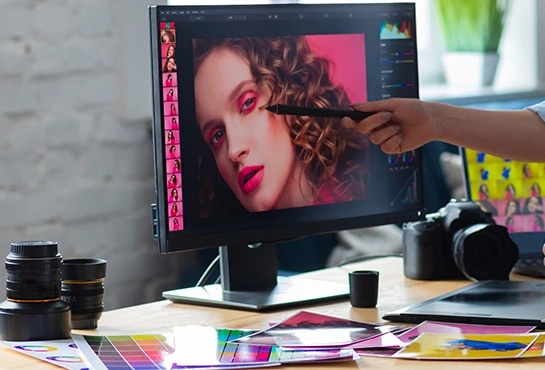
Digital darkroom techniques refine the RAW file, adjusting histograms and split toning to establish a cohesive aesthetic across a series. Retouchers balance contrast to enhance visual drama without artifacting. This phase is critical for archival consistency, ensuring every print reflects the creator’s vision and standard.
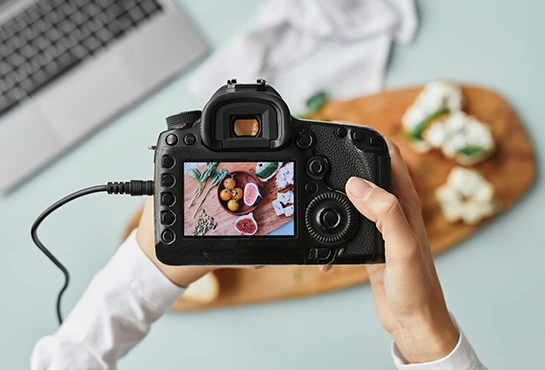
Merging multiple focal planes ensures sharpness from front to back on macro subjects.
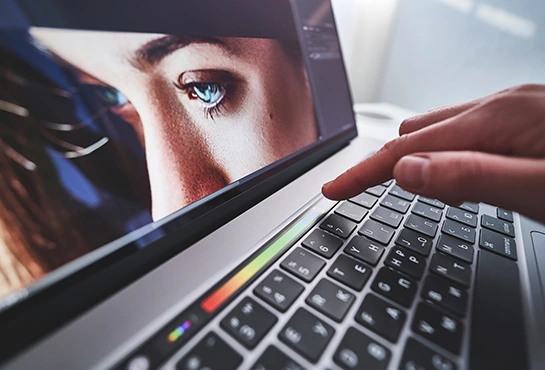
Selective chromatic adjustments enhance the emotional atmosphere without appearing artificial.
Matte coatings on props prevent unwanted reflections from monolights.
Liquid refraction and glycerin maintain a sculptural appearance under modeling lights.
Gallery investments preserved
Solo exhibitions and art fairs connect collectors with contemporary photography, preserving visual moments as lasting cultural assets. Investors view these retrospectives as important chronicles of visual trends and innovation.

Documenting visual experiences
Art consultants and visitors actively attend these events to capture the evolution of fine art, seeing each show as a bridge between temporary installations and enduring market records. The true value lies in the exclusive experience of each carefully curated display.